What to Know About Detox Shampoo Before a Hair Follicle Test
Hair follicle testing is a common method used to detect the presence of drugs or their metabolites over a longer window than urine or blood tests. While many people focus only on the test itself, the preparation leading up to it can be just as important. Understanding how to properly get ready for this kind of screening can help you feel more informed and confident about the process. This article explains the practical steps you might consider, especially when thinking about how external products like shampoo can play a role in how your hair interacts with the testing procedure.
How Hair Follicle Testing Works
Hair follicle tests look for drug metabolites trapped inside the hair shaft. When you consume a substance, your body breaks it down into metabolites, which enter the bloodstream. As hair grows, these metabolites can become incorporated into the hair structure. The test typically uses a small sample of hair, about 1.5 inches long, cut close to the scalp. This sample can reflect drug use over the previous 90 days, depending on how fast your hair grows.
External contaminants, such as smoke or residue in the air, can also adhere to the surface of the hair. Laboratory screening preparation often involves a wash step to remove these external impurities. However, the test is primarily designed to detect metabolites inside the hair, not just on its surface. This distinction is important because it means that simply washing your hair with regular shampoo right before the test is unlikely to remove internal metabolites.
The Role of Buildup in Hair
Over time, hair products like gels, sprays, conditioners, and certain oils can leave a layer of buildup on the scalp and hair shaft. This buildup can sometimes interfere with the accuracy of a hair test. Laboratories use specialized wash procedures to remove external contamination, but heavy product residue might complicate that process. Scalp buildup not only affects how your hair looks and feels but can also create a barrier that prevents lab wash solutions from working as intended.
Using products designed for deep cleaning, often called detox shampoos, can help reduce this kind of buildup. These shampoos are formulated to lift away oils, silicones, and other residues that accumulate from regular product use. While they are not a guaranteed method to alter test results, they can help create a cleaner baseline for your hair. This is one of the reasons why people look into specific shampooing protocols when they need to prepare for hair screening.
How Detox Shampoo Fits Into Preparation
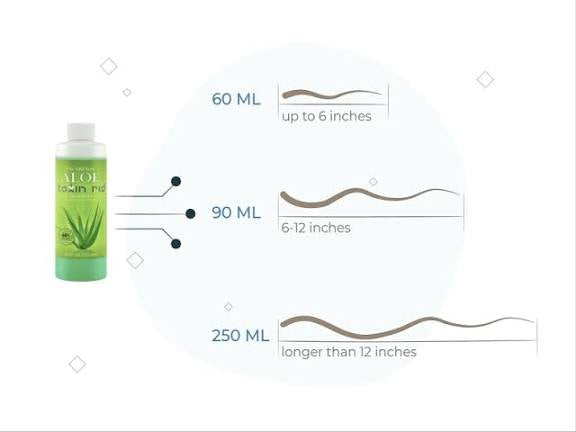
Detox shampoos are not miracle products, but they can serve a practical purpose in a broader preparation routine. The goal is to remove surface-level contaminants and reduce the amount of external residue that might confuse the lab's analysis. Some detox shampoos contain ingredients like aloe vera extract, which is known for its gentle cleansing properties without stripping the hair of its natural moisture. This can be particularly helpful if you need to wash your hair multiple times in the days leading up to a test.
It is worth understanding what a detox shampoo can and cannot do. It can help clean the outer layer of the hair and scalp, potentially making the laboratory's job easier when they perform their initial wash. It cannot, however, remove metabolites that have already been deposited inside the hair shaft during growth. That process occurs internally and is not something a topical product can reverse. Still, for those who want to approach the test with as little external interference as possible, a detox shampoo can be a sensible first step.
Practical Steps to Consider
If you have a hair screening coming up, here are some practical things to keep in mind. They are not guarantees, but they reflect common advice given by people who work with these tests regularly.
- Start your hair care routine at least a week before the test. Consistency matters more than a single wash.
- Use a detox shampoo several times over that period, following the instructions on the bottle. Overwashing can irritate the scalp, so avoid going overboard.
- Avoid using heavy styling products like waxes, gels, or sprays in the days leading up to the test. These can leave residue that might interfere.
- Do not dye, bleach, or chemically treat your hair just before the test. Chemical treatments can alter the hair structure and potentially affect results.
- Keep your hair clean and dry on the day of the test. Avoid applying any products right beforehand.
These steps are about giving the laboratory a clean sample that is free from external debris. The technician handling your hair will appreciate less interference from heavy product buildup.
What Laboratories Look For
When a lab receives a hair sample, they follow a standard protocol. First, they wash the hair with a series of solvents to remove anything on the surface. Then they digest the hair to release the metabolites trapped inside. The analysis measures the amount of metabolite present. If the lab finds a significant amount of external contamination that cannot be removed easily, they may report a problem with the sample. In some cases, they might ask for a new sample.
This is why managing buildup matters. If your hair has layers of gel or heavy oil, the lab's wash might not be fully effective. A detox shampoo can help reduce that risk. It is not about hiding anything, but about ensuring the test can focus on what it is designed to measure. Many people who need to prepare for hair screening consider this step part of their overall approach.
Aloe Vera Extract in Detox Shampoos
Aloe vera extract is a common ingredient in many gentle hair care products. It is known for its soothing and moisturizing properties. In a detox shampoo, it can help counteract the drying effect of stronger cleansing agents. This makes regular use more comfortable for people with sensitive scalps. While aloe vera itself does not have any special detoxifying power against drugs, it supports the overall health of the scalp and hair during a more intensive washing routine.
If you choose a shampoo containing aloe vera extract, you are also adding an ingredient that can help maintain the natural oils of your hair. This can be beneficial if you plan to wash your hair multiple times leading up to the test. A balanced scalp is less likely to become irritated or flaky, which can itself interfere with sample collection. It is one of those small details that can make the preparation period easier to manage.
Setting Realistic Expectations
It is important to have realistic expectations about what any external product can achieve. No shampoo can guarantee a particular test outcome. The internal deposition of metabolites is a biological process that cannot be reversed by washing. However, managing the external condition of your hair can help the lab perform its job without complications. This is especially true if you use many hair products that leave visible or invisible residue.
Some people mistakenly believe that a last-minute wash will solve everything. In reality, the few days before the test are not the time to start a new routine. The best approach is to adopt a consistent cleaning schedule over a longer period. This gives your hair time to shed any surface-level contaminants gradually. A single wash on the morning of the test is unlikely to make a meaningful difference, especially if your hair has months of product buildup.
Combining Good Practices
While the focus of this article is on preparation through shampoo, it is worth noting that other habits also matter. Staying hydrated, eating a balanced diet, and avoiding excessive exposure to chemicals or smoke can all contribute to healthier hair. None of these are direct ways to influence a test, but they do help your hair grow in a more stable condition. Combined with a thoughtful shampooing protocol, they create a more reliable baseline.
You should also read the instructions provided by the testing facility or your employer. Sometimes they give specific guidance about what to avoid before the test. Following that advice is more important than any general recommendation. The goal is to cooperate with the process and give the lab the best possible sample from your hair. This reduces the chance of complications or delays.
Final Thoughts on Preparation
Getting ready for a hair screening does not have to be stressful. By understanding how the test works and what factors can affect it, you can take sensible steps to ensure your hair is in good condition. Using a detox shampoo as part of your regular routine can help remove buildup and give the lab a cleaner sample to work with. Keep in mind that no external product can change what is inside the hair shaft, but clearing away surface residue is still a worthwhile precaution.
The key is to start early, be consistent, and keep your approach simple. Overcomplicating things with too many products or rushed actions usually does more harm than good. When you prepare for hair screening with a clear plan and realistic expectations, you are more likely to feel at ease throughout the process. That sense of control can make a real difference in how you approach the test and its results.